The Vatican Observatory is an institution established by the Holy See for astronomical research and public outreach to advance the scientific understanding of our universe.
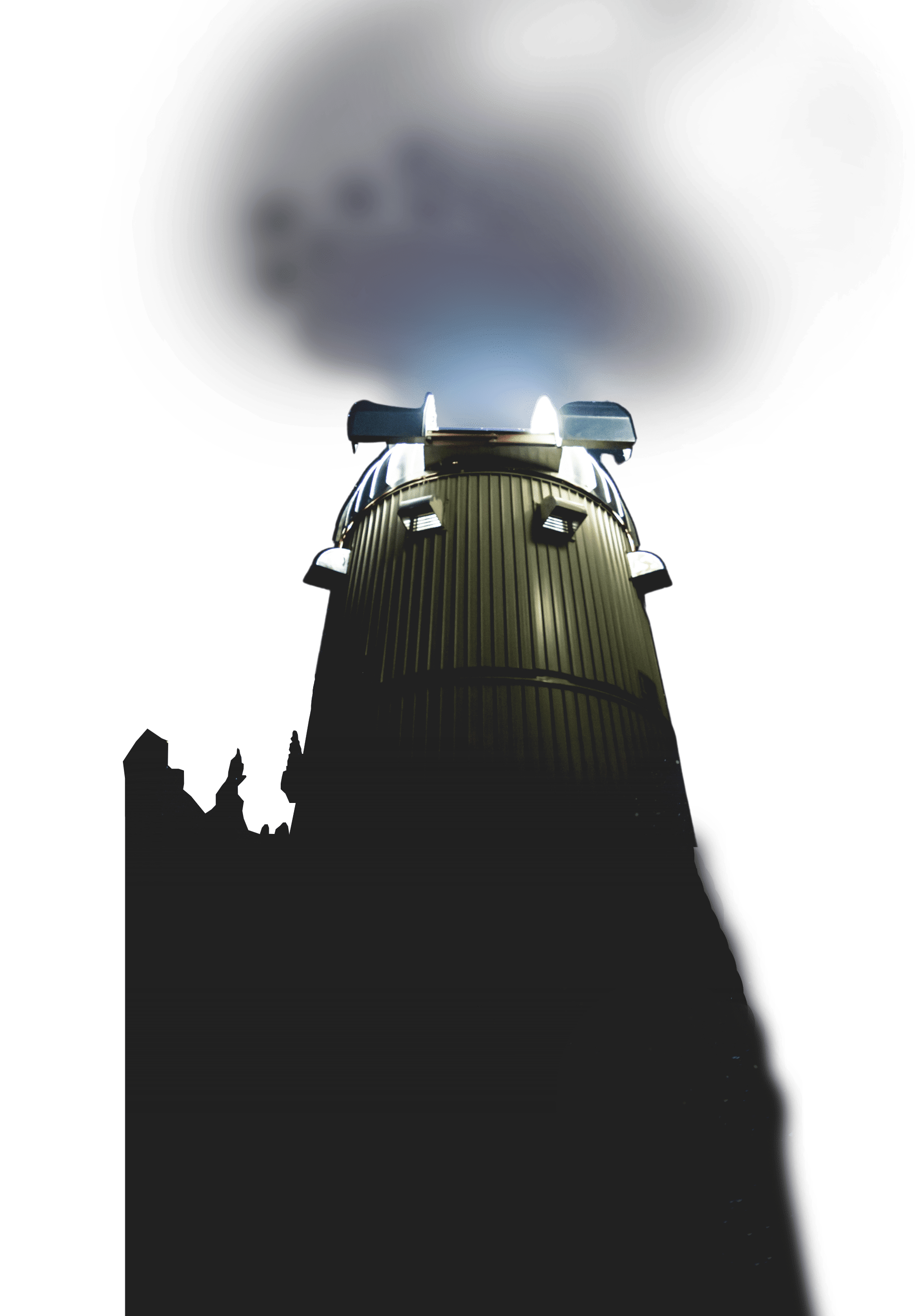
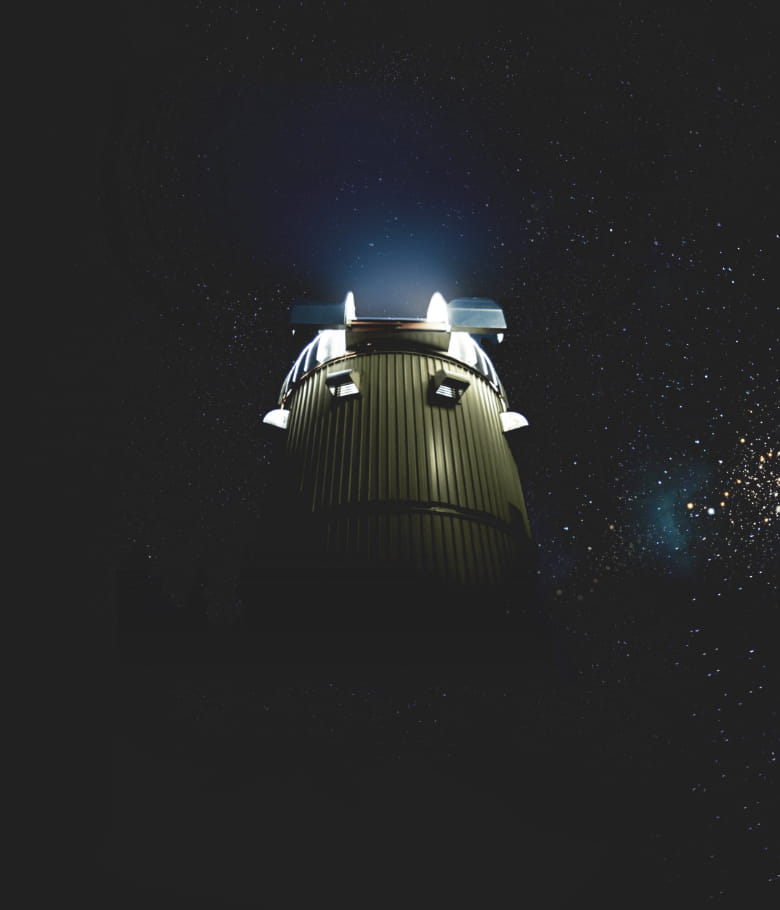

The Vatican Observatory is one of the oldest active astronomical observatories in the world, with its roots going back to 1582 and the Gregorian reform of the calendar.
The Vatican Observatory stands at the forefront of scientific research covering a broad range of topics, from an examination of the tiniest specks of interplanetary dust to the origin and structure of the universe.
Headquartered at the papal summer residence in Castel Gandolfo, outside Rome, this official work of the Vatican City State supports a dozen priests and brothers (Jesuits and diocesan) from four continents who study the universe utilizing modern scientific methods.
The Vatican Observatory works with the Vatican Observatory Foundation to promote education and public engagement in astronomy, and constructive dialogue in the area of faith and science.



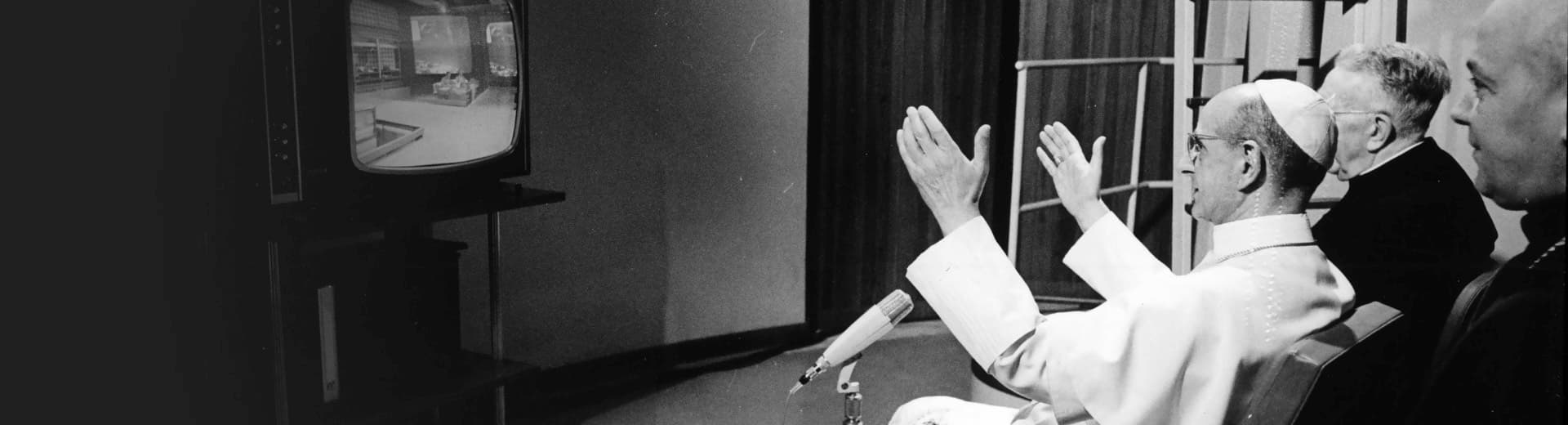
Pope Paul VI watching the Moon landing
For 400 years, the Vatican has been advancing scientific inquiry and promoting awareness of how our universe works. Here are a few examples of our contribution throughout the centuries.
Recent news, reflections from our scientists, and anything else we are eager to share!
Special content we wouldn’t want you to miss.
We are passionate about our education mission. Find below recent content worth checking out. Compliments of our friends at the Vatican Observatory Foundation.
We are always delighted when other organizations take interest in our work. Below is some recent coverage on our activities or scientists.
Upcoming astronomical events, scientific breakthroughs, philosophical reflections… just a few reasons to subscribe to our newsletter!
If you are energized by what we do at the Vatican Observatory consider joining us as a monthly benefactor.
Your support makes our work possible and grants you access to a fascinating network of people from around the world!